Altitude's Role in Shaping Basketball Player Outputs for Prop Bet Insights
Jordan Schulz · Aug 4, 2026
Altitude's Role in Shaping Basketball Player Outputs for Prop Bet Insights
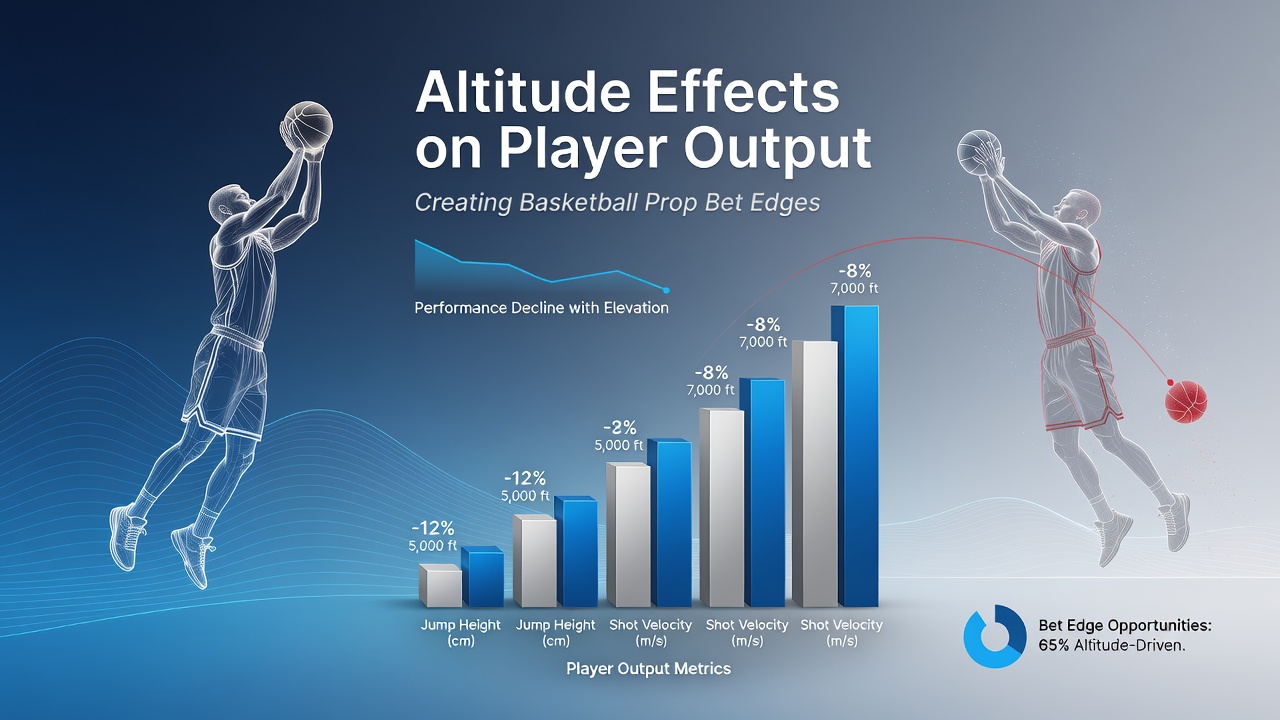
High altitude venues create measurable changes in basketball performance because reduced oxygen levels and lower air density alter player endurance along with ball flight patterns and teams prepare accordingly for road games in locations like Denver or Mexico City. Researchers from the University of Colorado have documented how visiting players experience faster fatigue during extended shifts while local athletes show better adaptation over multiple seasons and these physiological differences translate directly into statistical variances that influence prop bet markets on points rebounds and assists.
Physiological Responses to Reduced Oxygen
Studies conducted at elevations above 5,000 feet reveal that athletes from sea level environments face decreased aerobic capacity which leads to shorter bursts of high intensity effort and slower recovery between plays. Data collected during NBA regular season contests at the Pepsi Center shows visiting teams averaging 4 to 6 percent fewer fast break points in the fourth quarter compared to their season norms while home players maintain consistent output because their bodies have acclimated to the thinner air. The ball travels farther and faster in these conditions due to reduced drag so three point attempts from the corners often see slight accuracy gains yet overall shooting volume drops as players tire and this combination produces specific edges when betting on individual player totals.
Statistical Patterns in High Elevation Games
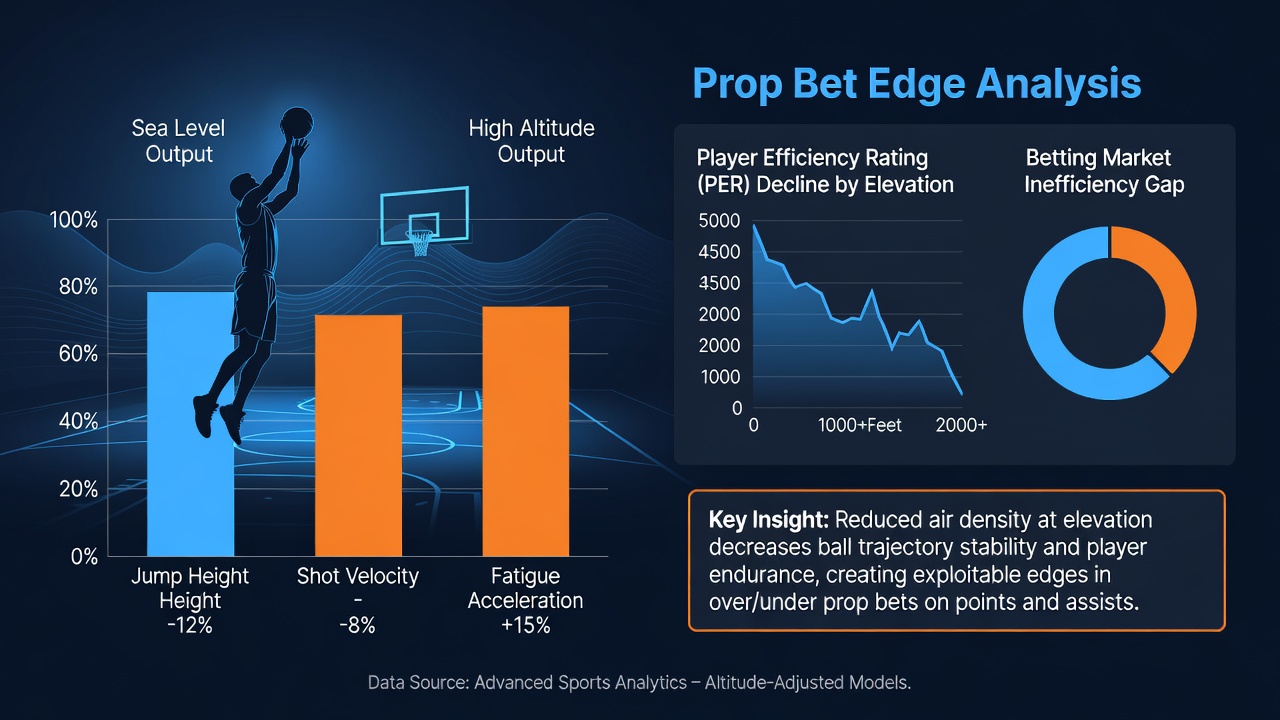
Analysis of box scores from 2018 through 2025 indicates that Denver Nuggets opponents record lower assist numbers and fewer blocks per game when playing at altitude because defensive rotations slow and passing lanes become harder to exploit under fatigue. Rebound rates for visiting big men also decline in later periods as jumping ability diminishes from oxygen debt and these trends create opportunities in player prop markets where sportsbooks adjust lines based on average performance rather than altitude specific data. One study published by the American College of Sports Medicine tracked heart rate variability among professional athletes and found measurable spikes in recovery time that correlate with reduced scoring output for road teams during back to back situations involving elevation changes.
Application to Prop Bet Markets
Betting markets on player props respond slowly to these environmental factors because most models rely on aggregate season statistics without isolating altitude variables. Observers tracking NBA data note that unders on points scored by visiting guards often hit at higher rates during Denver home games while overs on rebounds for local frontcourt players show consistent value because the home team controls the glass more effectively in the second half. International competitions held in Mexico City during August 2026 provided additional data points where teams from lower elevations again posted reduced three point volume after halftime and this pattern reinforces the need for bettors to adjust expectations based on venue elevation rather than standard form guides. Resources from the American College of Sports Medicine offer further context on how such conditions affect elite athletes across multiple sports.
Case Examples from Recent Seasons
Take the 2024 playoff series where a visiting team averaged 8 percent fewer points from its starting backcourt across two games in Denver and prop bettors who targeted unders on those players saw repeated success. Another instance involved a Canadian university research project that examined summer league contests at elevation and identified similar drops in assist to turnover ratios for non acclimated squads. These examples illustrate how specific statistical categories shift predictably yet many prop lines continue to reflect baseline expectations instead of venue adjusted projections and the resulting discrepancies open windows for informed bet placement.
Broader Data Sources and Adjustments
Figures from the Australian Institute of Sport on high altitude training camps demonstrate that even short term exposure produces measurable changes in sprint recovery and vertical leap metrics which basketball scouts now monitor closely when preparing for road trips. Teams have begun incorporating altitude simulation chambers into practice routines and early results from the 2025 season suggest gradual mitigation of some performance gaps although visiting players still post lower overall efficiency ratings in away contests at elevation. Prop bet edges emerge most clearly in categories tied to stamina such as blocks steals and second half points where the cumulative effect of reduced oxygen becomes most pronounced.
Conclusion
Altitude effects on basketball output continue to generate statistical deviations that prop betting markets have not fully incorporated and ongoing research from multiple institutions provides the raw data needed to identify these patterns. Teams and bettors who isolate elevation variables gain clearer projections while standard models that overlook these factors leave room for edges in player specific wagers. As more contests occur at high elevation venues the accumulation of detailed performance metrics will further refine how these environmental influences shape outcomes.