Black Market Wagers Reach £100 Million at Aintree's Grand National Festival in April 2026
Paul Schmitz · Apr 21, 2026

Black Market Wagers Reach £100 Million at Aintree's Grand National Festival in April 2026
The Surge in Unlicensed Betting During the Festival
Observers watched closely as the Betting and Gaming Council (BGC) unveiled striking figures from the Grand National festival at Aintree in April 2026; unlicensed operators had processed up to £100 million in wagers across the event, with £40 million of that volume tied directly to the headline Grand National race itself. This revelation came amid the festival's high-energy atmosphere, where licensed bookmakers handled their own substantial bets, yet the shadow of unregulated platforms loomed large. Data from the BGC highlighted how these black market activities captured a significant slice of the action, drawing punters away from regulated channels during one of the UK's premier racing spectacles.
What's interesting here lies in the specifics: the £40 million on the main race alone signals not just opportunistic betting, but a coordinated shift toward sites operating outside UK oversight. Festival-goers, many of whom flocked to Aintree over the three-day event, apparently turned to these platforms in droves, bypassing the protections offered by licensed operators. And while exact breakdowns remain elusive due to the clandestine nature of these operations, BGC estimates paint a clear picture of scale, underscoring a trend that's been building for months.
A Growing Black Market Trend Takes Hold
Since October 2025, unlawful betting operations have proliferated in the UK, fueled by a combination of regulatory hurdles and economic pressures; the BGC report ties this directly to the rise seen at Aintree. Punters increasingly gravitate toward unlicensed sites, where restrictions like affordability checks don't apply, allowing unrestricted wagering that appeals to those frustrated by compliance measures on regulated platforms. This isn't an isolated incident at the Grand National—it's part of a broader pattern where black market volumes climb steadily, eroding the licensed sector's market share.
Take the festival context: with races drawing massive crowds and global attention, the temptation of higher odds or fewer limits on unlicensed apps proves irresistible for some. BGC data indicates these platforms often mimic legitimate sites, complete with flashy promotions and seamless interfaces, making the switch seamless for casual bettors. Yet beneath the surface, risks abound—funds vanish without recourse, personal data exposes users to fraud, and there's no guarantee of payouts when winners emerge. Observers note how this dynamic plays out repeatedly at major events, turning celebrations into cautionary tales.
But here's the thing: the £100 million figure doesn't capture everything; it represents detected activity, and experts suspect the true total edges higher since many transactions evade tracking entirely. Platforms hosted offshore, often in jurisdictions with lax enforcement, process bets via cryptocurrencies or anonymous payment methods, complicating efforts to quantify the full extent.
Regulatory Pressures Fueling the Shift
Affordability checks, introduced to curb problem gambling, now push some bettors underground; these friction points—requiring proof of income or spending limits—clash with the thrill-seeking nature of events like the Grand National, where punters want quick, unencumbered action. Higher taxes on licensed operators exacerbate teh issue, as companies pass costs onto customers through tighter margins or reduced promotions, making black market alternatives seem more attractive despite their dangers.
Since those October 2025 changes kicked in, reports of unlicensed activity have spiked, with the BGC tracking a clear correlation between enforcement and evasion. One case in point emerges from the festival itself, where social media buzzed with ads for unregulated apps promising "no limits, no checks," luring users during peak race times. People who've studied this shift point out how regulated firms, bound by Gambling Commission rules, can't compete on flexibility, creating a vacuum that illicit operators fill eagerly.
And while safeguards aim to protect vulnerable players, the unintended consequence unfolds as high-volume bettors flock elsewhere, leaving licensed books with slimmer volumes on big days. Figures from the BGC reveal this pressure mounting over recent months, culminating in the Aintree numbers that demand attention.
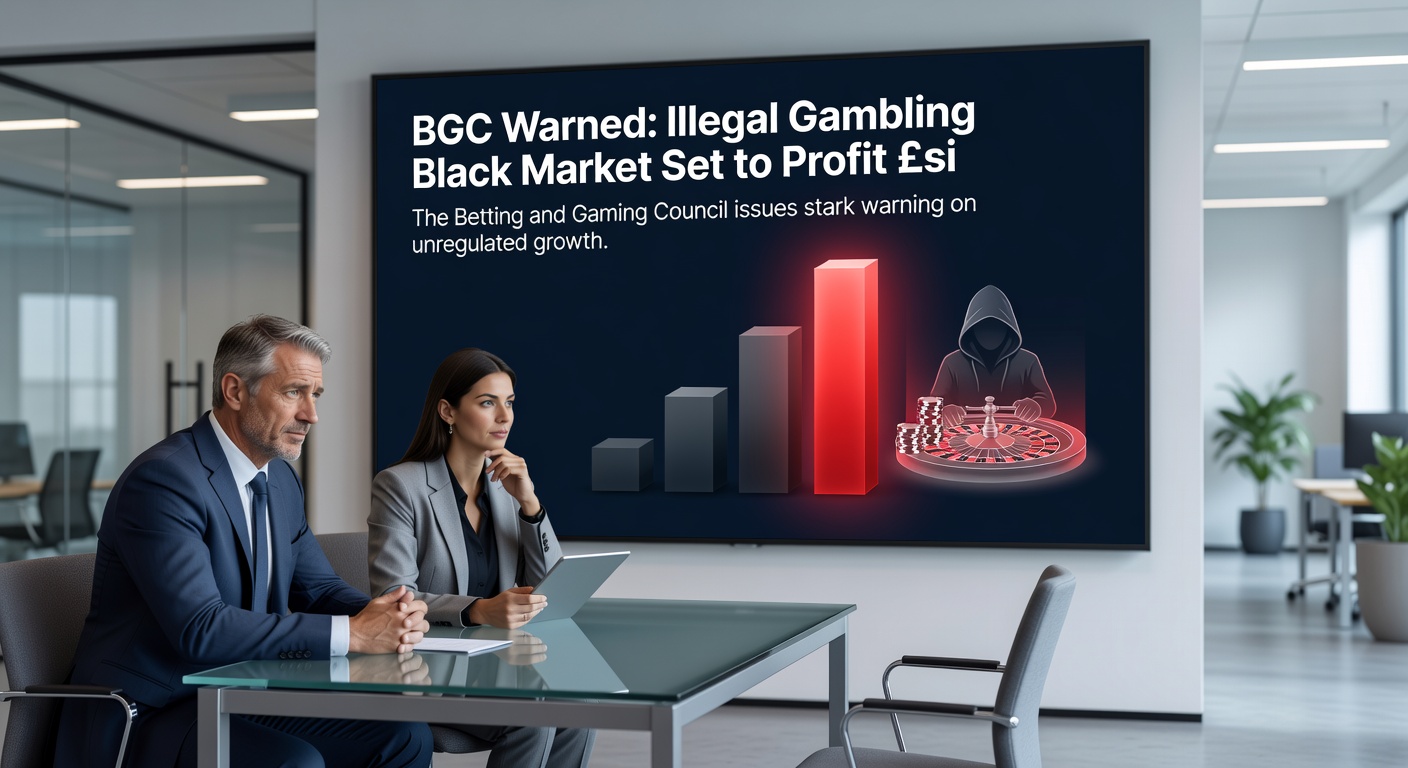
BGC CEO Sounds the Alarm on Risks and Impacts
Grainne Hurst, CEO of the BGC, stepped forward with a stark warning after the figures dropped; she emphasized the perils of black market betting, from lost consumer protections to the broader threat to the UK's regulated industry. In her statement, Hurst urged policymakers to act swiftly, arguing that without intervention, the licensed sector—responsible for over 109,000 jobs and £6.8 billion in annual economic contribution—faces erosion. That sector also delivers £4 billion in taxes each year, funding public services while upholding standards that unlicensed rivals ignore completely.
Turns out, the stakes extend beyond individual losses; as Hurst noted, these illegal operations deprive the Treasury of revenue and expose bettors to scams that proliferate unchecked. During the festival, instances surfaced of users reporting withheld winnings or account freezes on shady sites, reinforcing the CEO's call for measures to bolster the legitimate market. Experts who've followed her commentary observe how she frames this as a pivotal moment, where policy tweaks could steer punters back to safety without stifling the industry's vibrancy.
Now, with the Grand National fresh in memory from April 2026, Hurst's voice carries weight; she advocates for streamlined regulations that maintain protections yet reduce the push factors driving bettors away. The reality is, without such balance, events like Aintree risk becoming showcases for black market dominance rather than triumphs for regulated betting.
Economic Footprint of the Licensed Sector Under Threat
Those numbers from the BGC—109,000 jobs, £6.8 billion in value, £4 billion in taxes—aren't abstract; they stem from a network of shops, online platforms, and staff that sustain communities across the UK. The Grand National festival alone boosts local economies through tourism and spending, yet unlicensed wagers siphon funds that could otherwise circulate legitimately. Observers tracking industry metrics see this as a domino effect: reduced licensed volumes mean fewer contributions, straining an ecosystem already navigating post-pandemic recovery.
So why does this matter at Aintree specifically? The event generates millions in direct economic lift, with licensed bets forming a cornerstone; diverting £100 million undermines that foundation, hitting employment and revenues hard. People in the sector, from trackside bookies to head office analysts, feel the pinch when big-race days underperform against expectations.
It's noteworthy that Hurst ties these stats directly to policy needs; safeguarding the £4 billion tax haul ensures funds flow to healthcare, education, and beyond, while preserving jobs in a competitive landscape. And although black market operators pay nothing, their growth chips away at the regulated pie relentlessly.
Calls for Policy Action to Protect Bettors and Industry
Hurst didn't stop at warnings; she pushed for targeted reforms, like refining affordability checks to target high-risk players without alienating responsible ones, and easing tax burdens that handicap licensed firms. The BGC's position resonates with stakeholders who've witnessed similar trends abroad, where balanced approaches curbed illicit betting effectively.
During the festival, the contrast sharpened: licensed apps offered secure, verified betting with customer support, while unlicensed ones promised the moon but delivered headaches. This disparity, as data from the report indicates, drives the exodus, prompting urgent dialogue between regulators and industry leaders.
Yet progress hinges on collaboration; the Gambling Commission, while enforcing rules, faces challenges in policing global platforms, leaving room for BGC-led initiatives to bridge gaps. Festival aftermath discussions already buzz with proposals, aiming to realign incentives so punters choose safety over shadows.
Conclusion
The £100 million in unlicensed wagers at the 2026 Grand National festival marks a watershed, exposing fault lines in the UK's betting landscape widened by regulations and taxes; BGC figures, from the £40 million on the headline race to the sector's vast economic role, lay bare the costs of inaction. Grainne Hurst's clarion call underscores the path forward: policy adjustments that shield consumers, sustain 109,000 jobs, and secure billions in value and taxes. As Aintree's echoes fade, the ball rests in policymakers' court—will they fortify the licensed realm before black market tides swell further? Data suggests the window narrows quickly, with events like this serving as stark reminders of what's at stake.