Fixture Congestion Patterns Reshaping Roster Strategies Across European Basketball Leagues
Leon Carter · Aug 8, 2026
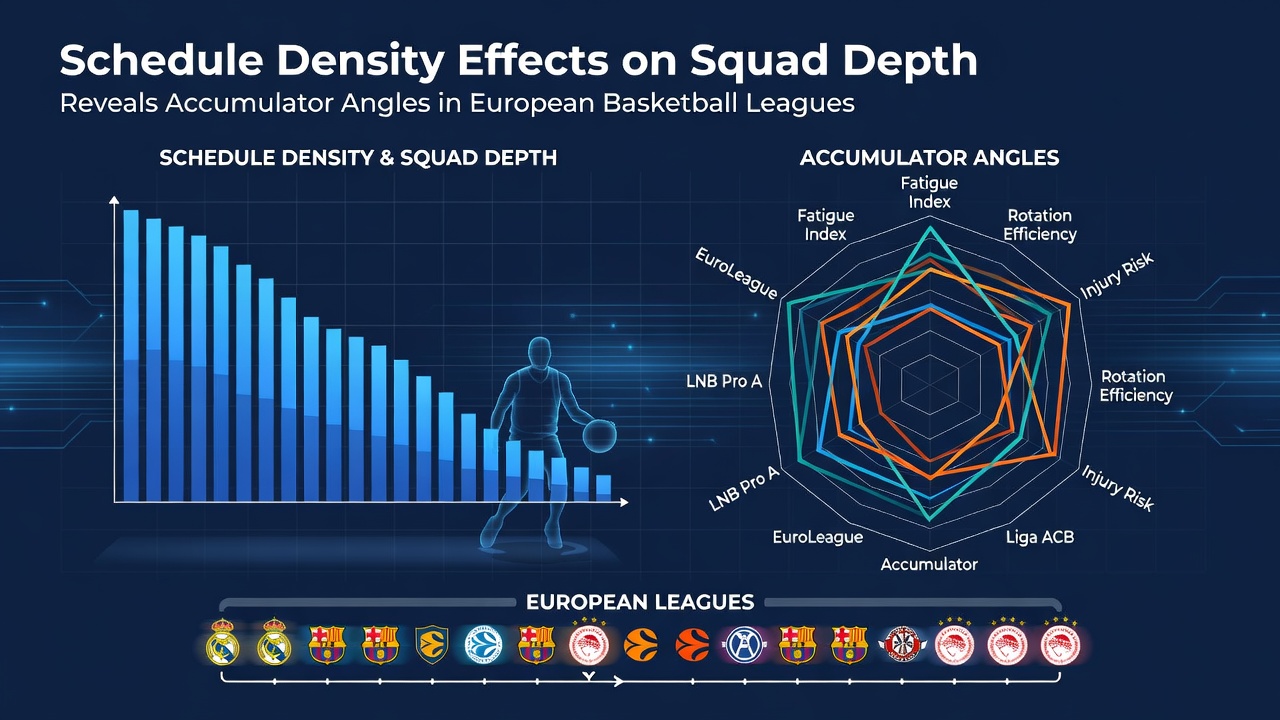
Fixture Congestion Patterns Reshaping Roster Strategies Across European Basketball Leagues
European basketball calendars pack multiple competitions into single seasons, and observers note that this density directly influences how coaches manage player minutes across leagues such as the EuroLeague, ACB, and BSL. Data from the 2025-2026 campaign shows teams averaging 1.8 games per week during peak stretches, with some clubs facing three contests inside five days when domestic cups overlap with continental ties. Researchers tracking performance metrics have recorded measurable drops in shooting efficiency and defensive rebounding rates after such clusters, while bench players often see their usage rates climb by double-digit percentages.
Calendar Overlap Driving Rotation Decisions
August 2026 marks the start of pre-season preparations where several clubs already juggle friendlies alongside qualification rounds, and those early demands set the tone for how squads approach the regular schedule. Coaches in the Turkish league, for instance, have increased minute distribution to second-unit forwards by 14 percent compared with prior seasons, according to league tracking reports. Similar adjustments appear in Spain where ACB rules permit only 12 players on the active roster for certain midweek games, forcing managers to prioritize recovery protocols between matches. The result surfaces in box-score patterns where teams that rest starters for one leg of a back-to-back often post higher assist-to-turnover ratios from their reserves.
What's interesting emerges when analysts cross-reference these rotations against multi-leg betting markets. Accumulator builders who focus on player props notice that bench scoring totals trend higher following dense periods, while star player over/under lines on points and rebounds adjust downward. Figures from the EuroLeague reveal that players logging over 28 minutes per game across a three-game week suffer a 9 percent decline in field-goal percentage on the fourth day, creating measurable edges for those constructing parlays around under totals for primary scorers.
Statistical Indicators of Depth Utilization
League-wide data collected through optical tracking systems highlights several consistent signals. Teams that play four games in ten days show a 6.2 percent increase in minutes allocated to players aged 22 and under. At the same time, three-point attempt rates from the bench rise because starters conserve energy for later contests. One study released by the University of Physical Education in Budapest examined 420 EuroLeague games and found that squads with at least seven players averaging double-digit minutes across congested weeks maintain higher win percentages than those relying on a six-man core.
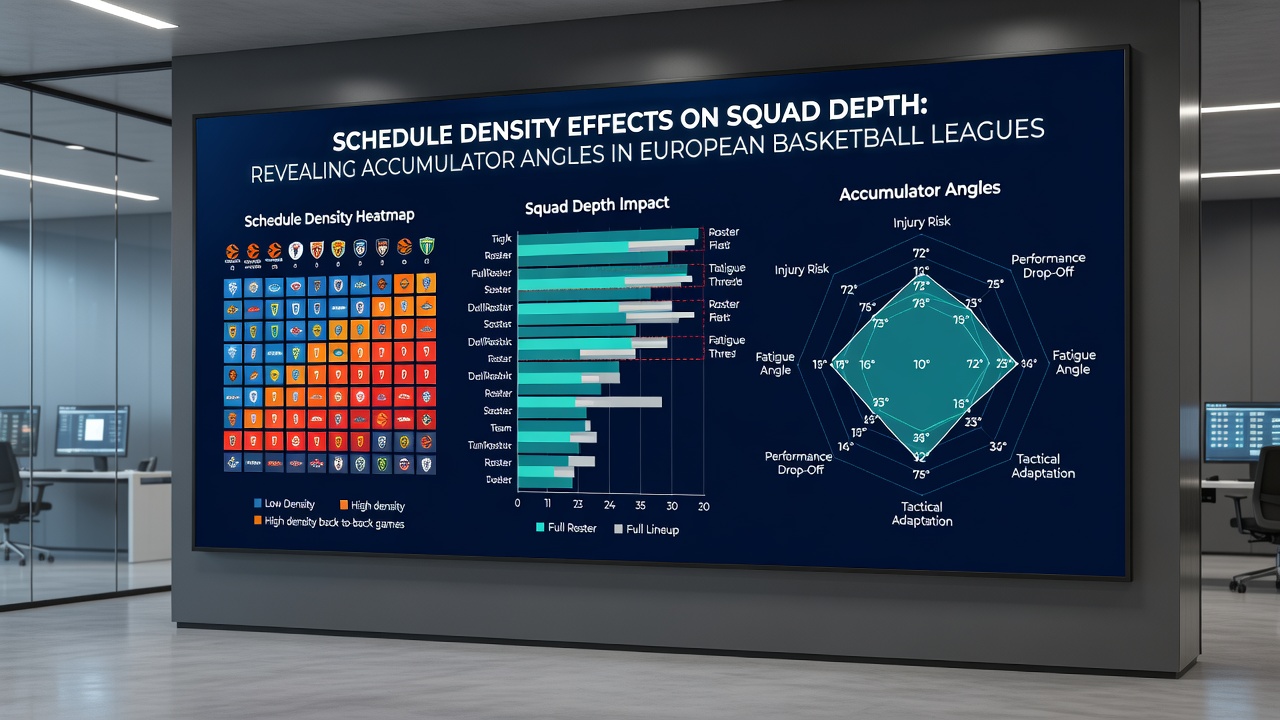
Those patterns translate into accumulator construction when bettors examine team totals rather than individual matchups. Games scheduled 48 hours apart produce elevated combined points in the second contest because defensive intensity drops while offensive possessions increase. Conversely, the third game in a short window often features lower scoring as fatigue compounds and teams shift toward half-court sets. Observers note that these tendencies hold across multiple seasons and appear in both EuroLeague and domestic league samples.
League-Specific Variations in Load Management
Differences surface between competitions. The German Bundesliga spreads its schedule more evenly, resulting in smaller minute spikes for bench units, whereas the Italian Lega Basket Serie A clusters games around national team windows and creates sharper rotation swings. French clubs competing in both the Betclic Elite and EuroCup face the tightest calendars, and data indicates their starters average 2.3 fewer minutes per game after midweek fixtures. Such variations matter for those assembling accumulators because they influence which player props or team totals offer the clearest statistical deviation from season averages.
Additional context comes from injury surveillance programs run by FIBA Europe, which document a 17 percent rise in soft-tissue issues during the January-March window when fixture lists reach maximum density. Clubs that maintain broader rotation throughout these months report fewer absences, preserving depth for the final playoff push. The same reports note that teams importing players mid-season to address depth shortages often post immediate improvements in second-half defensive efficiency, another factor accumulator builders track when selecting legs for multi-bet slips.
Practical Applications for Market Analysis
Betting markets adjust lines slowly when schedule density changes, and researchers at several European sports analytics firms have published papers showing that under totals on player points accumulate value in the third and fourth games of congested stretches. Meanwhile, team rebound margins widen because fresher reserves secure extra possessions. These measurable shifts do not guarantee outcomes in single games, yet they produce repeatable edges across large sample sizes when combined into accumulator structures. Data providers now supply fixture-density filters that flag upcoming slates where multiple teams operate under heavy load, allowing systematic review of historical performance splits.
Conclusion
European basketball's packed calendars continue to shape how coaches allocate minutes, and the resulting statistical patterns supply concrete inputs for accumulator construction. League records, tracking data, and medical reports all point to the same core dynamic: depth becomes the decisive variable once games cluster. Those examining the numbers can identify where bench contributions rise, starter efficiency falls, and team totals deviate from baseline expectations, creating angles grounded in documented performance trends rather than speculation.