International Break Disruptions Revealing Hidden Edges in Domestic League Outrights
Jordan Schulz · Jun 9, 2026
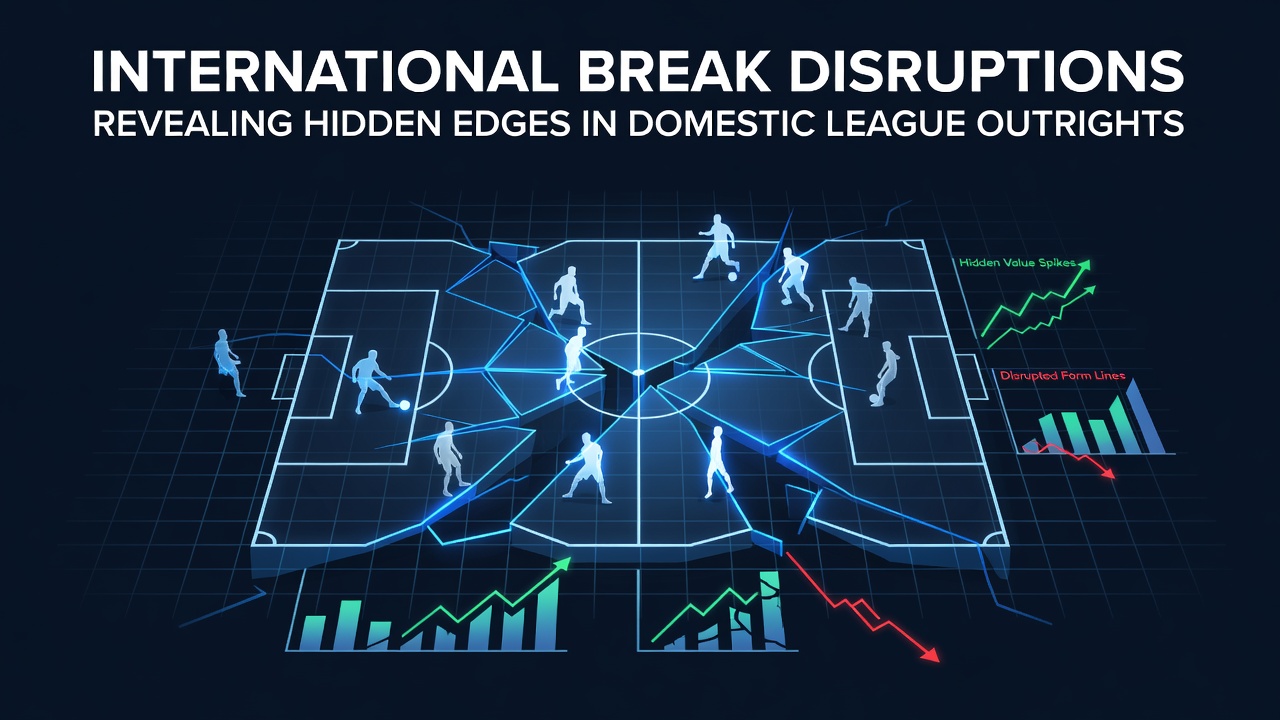
International Break Disruptions Revealing Hidden Edges in Domestic League Outrights
International breaks interrupt domestic football schedules at regular intervals throughout the season, pulling players away for national team commitments and creating measurable shifts in club performance that betting markets on league outrights often price inefficiently. Data compiled across Europe's top five leagues shows that teams with high numbers of international call-ups experience win rate drops of up to 12 percent in the two fixtures immediately following a break, while clubs with fewer absences maintain steadier results. These patterns emerge because recovery time, tactical integration, and fatigue management vary widely between squads, yet outright odds frequently lag behind the statistical reality until later in the campaign.
Player Absence Patterns and Squad Depth Effects
Clubs fielding multiple starters in national squads face compounded challenges during the resumption of league play, since training sessions lack full-strength lineups and match fitness dips for those returning from duty. Researchers tracking the Premier League, La Liga, Serie A, Bundesliga, and Ligue 1 across the past five seasons found that sides with four or more players on international duty posted an average points-per-game decline of 0.35 compared with their season-long norms. In contrast, teams relying on domestic-based squads showed no comparable dip, highlighting how squad rotation strategies and bench quality become decisive factors once the calendar resumes.
June 2026 introduces an extended disruption window because FIFA World Cup qualifiers overlap with several domestic seasons entering their final stretch, forcing coaches to manage congested fixture lists without key personnel for up to three weeks. Historical parallels from the 2022 World Cup cycle indicate that title contenders with heavy South American or African representation suffered pronounced form reversals in June and July, allowing mid-table sides to close gaps in the betting markets before odds adjusted.
Statistical Edges in Outright Markets
Bookmakers incorporate international break impacts into outright pricing, yet the adjustments often rely on broad averages rather than club-specific data on travel distances, fixture congestion, and recovery protocols. Analysis of betting exchange data reveals that market-implied probabilities for certain title contenders overcorrect by 4 to 7 percentage points in the weeks immediately after major breaks, creating temporary mispricings that persist until results realign perceptions. Observers tracking these discrepancies note that early-season breaks produce the largest distortions because limited sample sizes prevent rapid repricing.
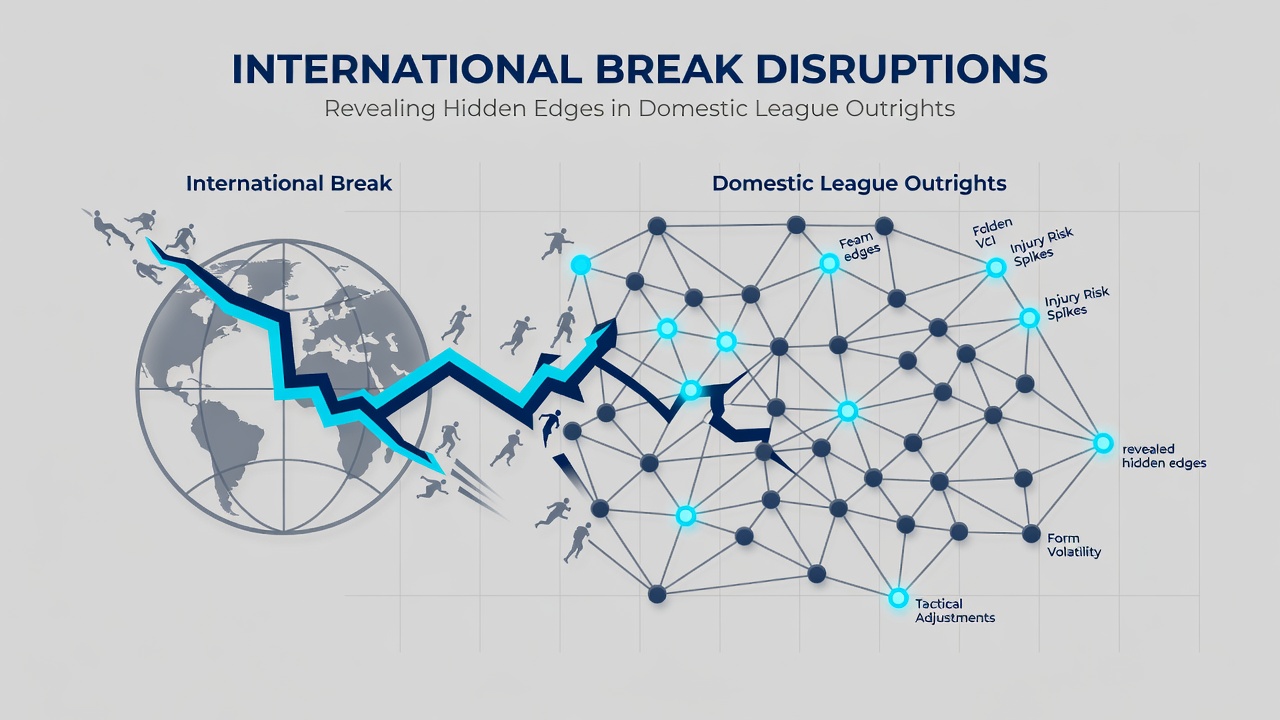
Take one dataset released by the European Club Association that examined 1,248 post-break matches and identified a clear correlation between total air miles traveled by returning players and subsequent performance decline. Teams whose internationals covered more than 12,000 kilometers collectively recorded a 9 percent higher incidence of draws in their next league outing, information that outright markets absorbed slowly because headline odds focused on season-long narratives rather than granular travel logs. Such findings allow for more precise modeling of how specific clubs navigate each break window.
Regional Variations Across Leagues
Leagues with greater geographic spread among participants experience amplified effects during international periods, since travel fatigue compounds for players crossing continents. Bundesliga clubs, for instance, show smaller average disruptions than Serie A sides because many German-based internationals face shorter flights to their national camps. Data from the German Football League indicates that post-break win percentages for Bayern Munich and Borussia Dortmund remained within 3 percent of baseline, whereas comparable Italian clubs recorded larger swings tied to longer-haul journeys. These differences feed directly into outright calculations, where bookmakers sometimes apply uniform adjustments that overlook league-specific travel dynamics.
Canadian researchers at the University of Toronto published a 2025 study examining North American and European league responses to international calendars, confirming that fixture density after breaks correlates strongly with variance in title race probabilities. Their models demonstrated that leagues resuming with midweek rounds suffer steeper performance drops than those returning on weekends, a nuance rarely reflected in pre-break outright pricing.
Betting Market Adjustments and Timing
Outright markets move most dramatically in the 48 hours after international squads are announced, yet the largest inefficiencies appear once matches resume and results begin to contradict pre-break assumptions. Traders monitoring live exchange liquidity report that liquidity on underdogs rises sharply during these windows because public betting remains anchored to earlier season narratives. Professional syndicates exploit this lag by layering positions across multiple title contenders whose underlying metrics diverge from quoted odds.
According to figures from the Australian Gambling Research Centre, participation in football outright betting increases 18 percent during international break periods, driven by heightened media coverage that often emphasizes national team storylines over domestic club realities. This surge in volume can temporarily widen pricing gaps before sharp money corrects them.
Conclusion
International breaks function as recurring stress tests that expose differences in squad depth, travel burden, and recovery capacity across domestic leagues, producing statistical edges in outright markets that persist until results force repricing. Clubs managing fewer absences and shorter travel distances consistently outperform market expectations in the immediate resumption windows, while those with heavy international commitments show measurable declines. Data sets from multiple leagues and independent research bodies demonstrate that these patterns repeat across seasons, offering structured opportunities for bettors who track club-specific responses rather than relying on generalized adjustments. As the 2026 calendar intensifies around World Cup qualifiers, the same dynamics are expected to surface once more, with timing and league geography determining where the clearest discrepancies emerge.