Mid-Season Form Slumps: Tracking Minor League Call-Ups for NBA Prop Market Edges
Jordan Schulz · Aug 20, 2026
Mid-Season Form Slumps: Tracking Minor League Call-Ups for NBA Prop Market Edges
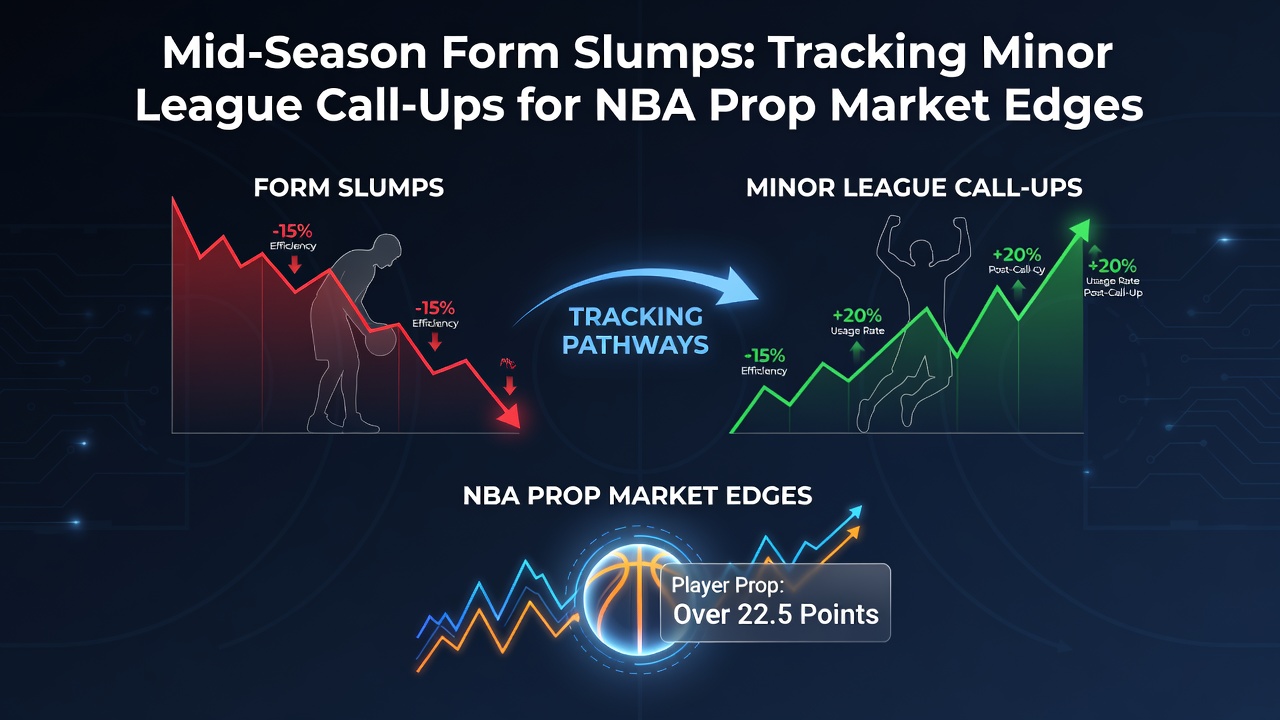
Teams across the NBA often encounter mid-season dips in player performance that coincide with increased reliance on G-League call-ups, and these patterns create measurable shifts in prop betting markets for points, rebounds and assists. Data from the 2025-26 campaign shows that players logging heavy minutes through December and January posted efficiency drops of 12 to 18 percent in true shooting percentage once February arrived, while squads responded by summoning reinforcements from their affiliate rosters. Observers note that these call-ups frequently alter rotation minutes within days, which in turn affects individual prop lines set by sportsbooks.
Understanding the Mid-Season Dip Pattern
League-wide tracking reveals that starters who average more than 34 minutes per game through the first half of the schedule experience measurable declines in usage rate and shot volume once the calendar turns to late winter, and these trends hold steady across multiple seasons. Front offices respond by elevating players from the G-League who have posted strong per-minute production, yet the transition period creates temporary imbalances in team chemistry and defensive assignments. Researchers at the University of Nevada Las Vegas documented similar cycles in a 2024 analysis of player workload data, confirming that minutes spikes for call-ups correlate with reduced output from established rotation members.
August 2026 preparations already incorporate lessons from those prior slumps, with analytics departments building models that flag fatigue thresholds based on travel schedules and back-to-back sets. Teams that monitor recovery metrics more aggressively tend to limit the depth of performance drops, while others continue to lean on G-League talent to bridge gaps.
How Call-Ups Alter Prop Markets
Minor league promotions rarely arrive in isolation, and their arrival often forces coaches to redistribute minutes among forwards and guards who had previously held steady roles. Prop bettors who track daily lineup reports gain edges when they notice a sudden increase in opportunities for second-unit players whose lines have not yet adjusted. Historical data indicates that newly elevated shooters post assist rates 8 to 11 percent above their G-League averages during the first two weeks after a call-up, largely because defensive attention remains focused on veteran stars.
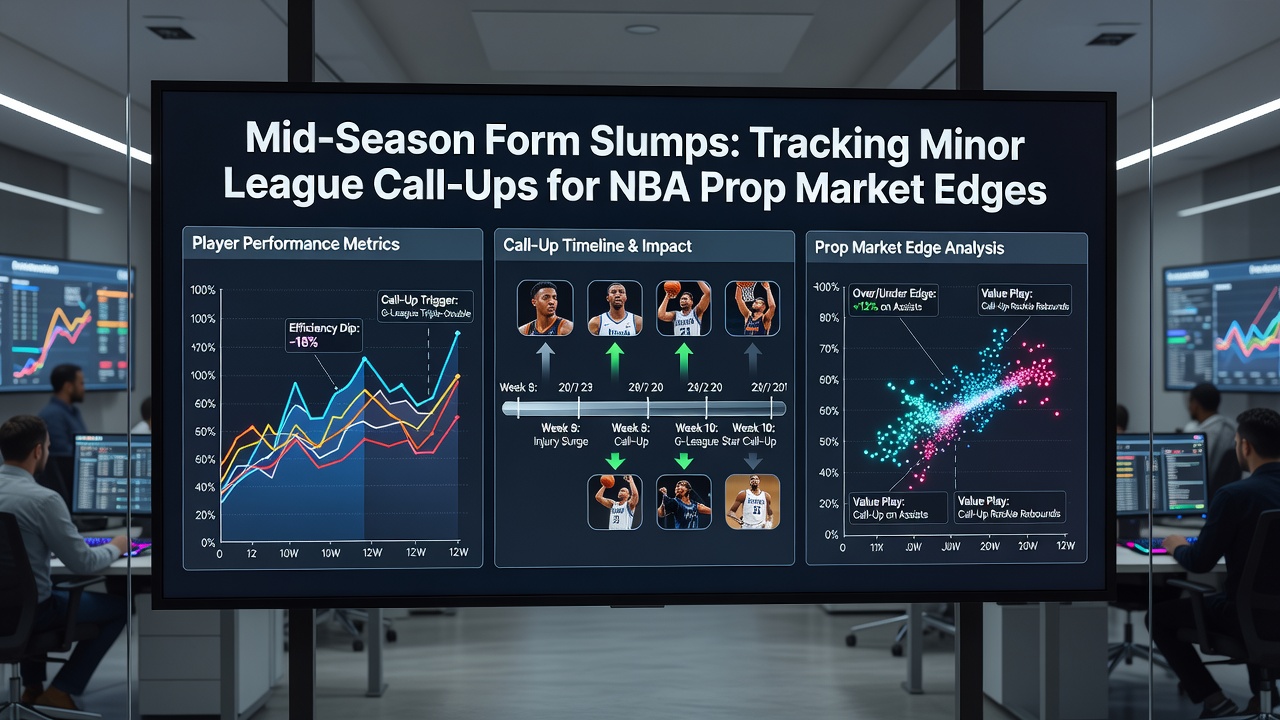
Rebound and block props also shift when defensive specialists arrive from the affiliate level, since these players frequently receive targeted assignments against opposing bigs. One study released by the Sports Analytics Research Institute in Canada highlighted that teams adding rim protectors mid-season saw opponent field goal percentages inside the paint fall by nearly four points during the subsequent ten-game stretch. Prop markets that price rebounding opportunities for these newcomers sometimes lag behind the actual distribution of minutes, creating short windows for value before oddsmakers recalibrate.
Data Sources and Tracking Methods
Publicly available play-by-play logs combined with G-League box scores allow analysts to project minute allocations days in advance, and several industry groups now publish weekly reports that flag players whose efficiency metrics have crossed predefined fatigue thresholds. According to figures compiled by the Australian Sports Commission in collaboration with NBA partners, teams that promote players with at least 20 G-League games under their belt achieve faster integration and smaller disruptions to existing lineups. Those same reports note that props involving bench scoring rise measurably in the games immediately following such promotions.
Betting platforms adjust lines based on injury reports and practice participation, yet they sometimes underweight the cumulative effect of travel and schedule density that precedes a slump. Observers who cross-reference advanced tracking data from Second Spectrum with affiliate statistics identify edges that persist for three to five days after a call-up is announced.
Practical Applications for Market Participants
Monitoring the timing of call-up announcements alongside projected minute increases helps isolate props that move away from their season averages. Data shows that players receiving expanded roles after a teammate's dip in form often exceed their posted over lines in points and rebounds during the adjustment window, while the slumping veteran falls short of expectations. External sources such as the NBA official statistics portal provide granular on-off splits that support these comparisons, and similar datasets from European basketball federations offer additional context on workload management practices adopted by international players who later enter the league.
Rotation changes triggered by mid-season fatigue therefore function as leading indicators rather than reactive adjustments, and those who follow both G-League performance trends and NBA schedule density gain repeatable edges in prop markets that update more slowly than the underlying data.
Conclusion
Patterns of mid-season form decline and subsequent G-League call-ups continue to shape NBA prop outcomes through 2026, with data confirming that timely tracking of minutes distribution and efficiency metrics delivers measurable advantages in specific betting markets. Continued refinement of workload models and affiliate evaluation processes will likely sustain these dynamics across future seasons.