Recovery Time Analysis Uncovering Betting Opportunities in Multi-Day Tennis Competitions
Jordan Schulz · May 16, 2026

Recovery Time Analysis Uncovering Betting Opportunities in Multi-Day Tennis Competitions
Recovery time between matches plays a central role in shaping outcomes across multi-day tennis events, where schedules often compress rest periods into tight windows that test physical limits, and analysts track these intervals to identify patterns in player performance that influence market movements. Observers note how data on hours between contests, combined with travel demands and court surface transitions, highlights discrepancies between expected results and actual outcomes in betting lines.
Core Components of Recovery Tracking
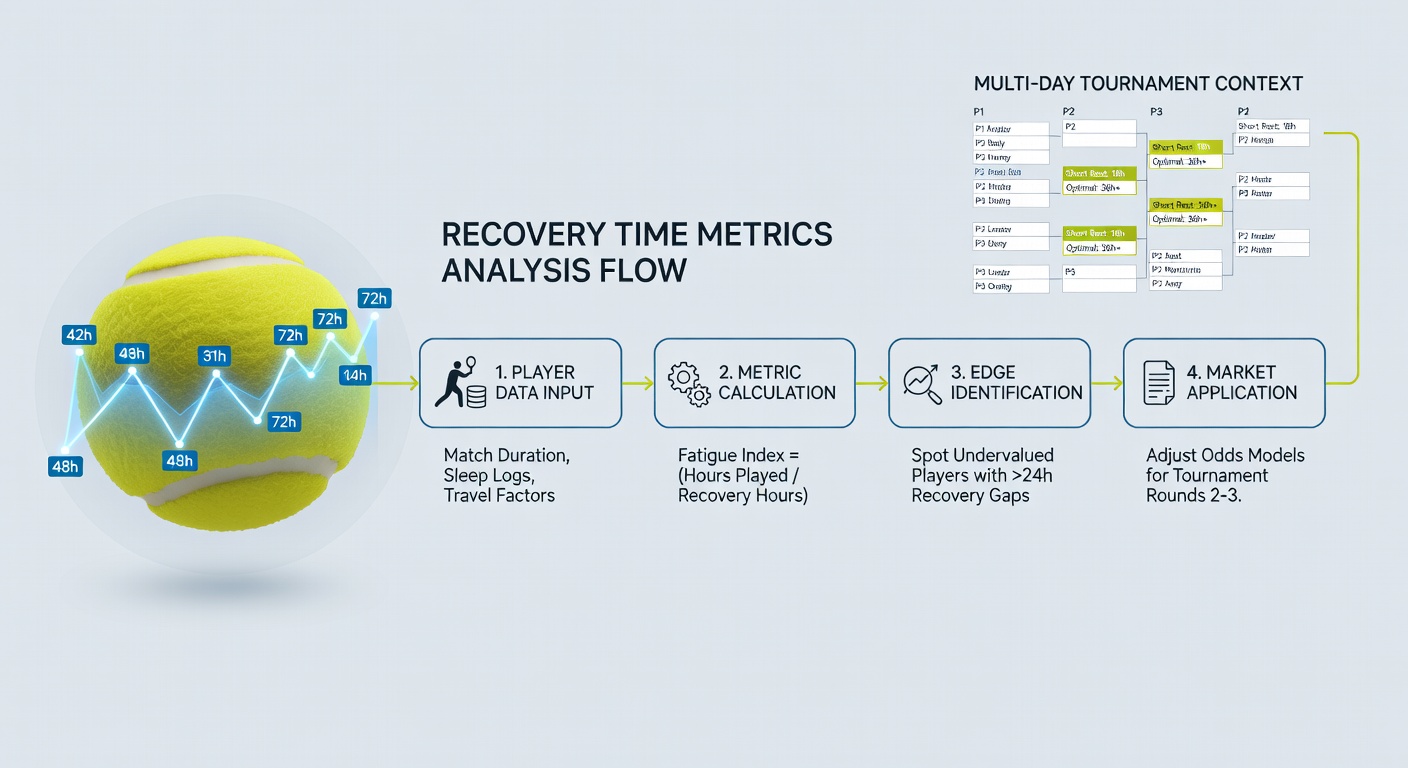
Researchers track several measurable factors when evaluating rest advantages, including elapsed time since the previous match, cumulative match duration over preceding rounds, and external variables such as climate conditions that accelerate fatigue. Data from professional circuits shows players receiving under 24 hours of recovery win at lower rates than those granted 48 hours or more, particularly in best-of-five formats that extend physical tolls. Figures from ATP and WTA events reveal consistent gaps in first-serve percentages and unforced error counts when rest falls below standard thresholds, creating measurable edges for those monitoring these inputs closely.
But here's the thing, surface type interacts directly with recovery needs, as clay courts extend rallies and increase joint stress while hard courts allow faster recovery in some cases due to lower friction. Those who've studied scheduling patterns point out that indoor events sometimes compress timelines further because of television demands, leading to back-to-back sessions that leave athletes with minimal downtime for muscle repair and mental reset.
Application in Market Analysis
Betting markets adjust odds based on public perception of form, yet recovery metrics frequently remain underweighted in those adjustments, opening windows where value emerges. Analysts cross-reference historical performance after varying rest intervals with current tournament brackets to forecast deviations, and this approach gains traction during lengthy draws such as Grand Slams where early rounds pile up fatigue quickly. Evidence suggests that players advancing through three straight matches with minimal rest underperform relative to pre-tournament expectations by noticeable margins in later stages.
What's interesting emerges when examining combined recovery and travel data, because long-haul flights between tournaments reduce effective rest even when calendar time appears adequate. Studies from sports science groups indicate measurable declines in movement speed and reaction times under these conditions, and market prices rarely incorporate such details until results confirm the pattern. During May 2026 events, including the buildup to Roland Garros, several matches illustrated how short recovery windows altered set outcomes in ways that pre-match lines had not fully priced.
Practical Examples From Recent Circuits
Take one instance from a European clay swing where a top seed played consecutive three-set matches with only 20 hours between them, resulting in a measurable drop in baseline consistency that allowed an opponent with an extra day of rest to control rallies more effectively. Observers documented similar sequences at Australian hard-court events, where humidity levels amplified recovery requirements and produced higher rates of late-tournament upsets than bracket predictions anticipated. These cases demonstrate how layering recovery timelines onto standard stats refines projections without relying on subjective assessments of player motivation.
Yet the process requires careful filtering because not all short-rest scenarios carry equal weight, as age, injury history, and playing style moderate impacts. Younger athletes often rebound faster from compressed schedules while veterans show steeper declines in second-week performances. Data indicates that left-handed players sometimes maintain serve effectiveness better under fatigue due to unique spin patterns that disrupt rhythm regardless of tiredness levels.
Integration With Broader Tournament Data
Combining recovery figures with point-construction metrics and opponent scouting creates layered models that surface edges across set, game, and total points markets. According to research compiled by the International Tennis Federation, extended events produce distinct clusters where recovery shortfalls correlate with overperformance by fresher competitors in deciding sets. This holds especially true in doubles draws where partners share physical loads unevenly, leading to asymmetric fatigue that markets overlook more frequently than in singles.
Turns out weather overlays add another dimension, since rain delays sometimes grant unexpected extra rest to certain players while others wait courtside, and those timing differences shift momentum in measurable ways. Tournament organizers publish schedules that allow precise calculation of intervals, enabling systematic review before odds stabilize around widely available form guides.
Conclusion
Recovery time metrics provide a structured lens for examining performance variances in multi-day tennis settings, where schedule compression creates repeatable patterns across surfaces and formats. By focusing on verifiable intervals and their documented effects on key statistics, analysts build clearer pictures of where market lines diverge from probable outcomes. This method stays grounded in observable data rather than speculation, supporting consistent evaluation as tournaments unfold through peaks like the May 2026 calendar. Continued refinement of these inputs alongside existing performance records strengthens identification of opportunities in both pre-match and in-play environments.