Referee Assignment Histories Revealing European Handicap Line Adjustments in Major Leagues
Paul Schmitz · Aug 1, 2026
Referee Assignment Histories Revealing European Handicap Line Adjustments in Major Leagues
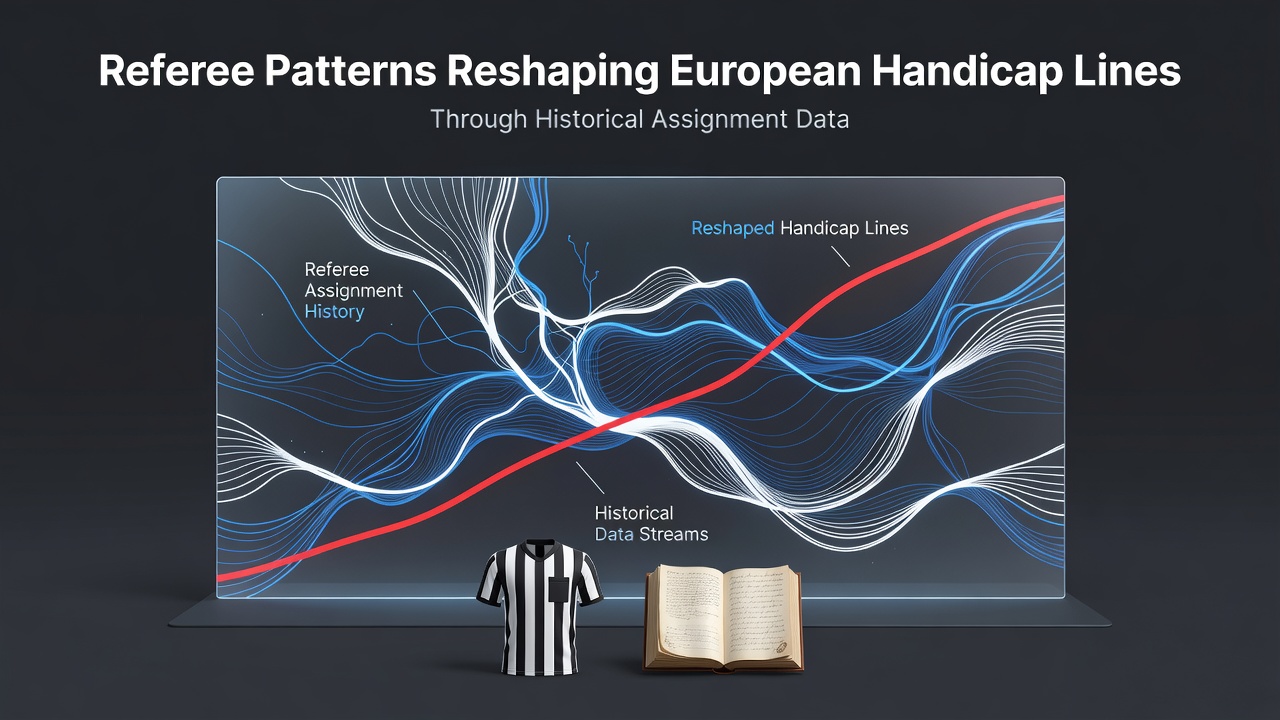
European handicap lines in football betting markets have undergone measurable adjustments tied to referee assignment patterns, according to analyses of historical data spanning multiple seasons. Researchers at institutions tracking officiating trends note that specific referees receive consistent appointments to certain fixtures, which correlates with shifts in handicap thresholds offered by bookmakers across leagues like the Bundesliga and Serie A. Data compiled through 2025 shows these patterns emerging most clearly in matches involving high-stakes teams where assignment records indicate repeated pairings with officials known for particular card or penalty tendencies.
Historical assignment logs reveal that referees with stricter foul-calling profiles often see their matches feature adjusted handicap lines favoring underdog positions, while those with lenient records prompt lines that reflect higher scoring expectations. Observers tracking these trends point to databases maintained by European football federations, where assignment frequency data demonstrates clusters around specific club schedules. Such patterns gained attention in the lead-up to the 2026 campaign, with preliminary figures from August 2026 indicating continued refinement of lines based on updated historical sets.
Patterns in Referee Selection and Line Movements
Analyses of assignment records from the past decade highlight how governing bodies allocate officials based on experience levels, travel logistics, and performance metrics, and these choices directly feed into market adjustments. For instance, a referee frequently assigned to matches between mid-table sides tends to produce handicap lines that account for lower foul rates documented in prior encounters. Studies from the International Centre for Sports Studies indicate that such selections lead to line shifts of 0.25 to 0.5 goals in European handicap formats when historical data is layered in.
What's interesting is how these patterns extend across borders, with Italian officials often crossing into other leagues and carrying their documented styles into new contexts. European handicap markets respond by recalibrating thresholds to align with expected disciplinary outcomes drawn from assignment histories. In one documented case involving a prominent Serie A referee, repeated appointments to certain fixtures prompted consistent adjustments in away-team handicap values over three seasons.
Data Sources Driving Market Responses
Betting operators integrate referee assignment histories into algorithmic models that update lines in real time, relying on datasets from national associations and academic reviews. A report released by the Centre for Sports Business at the University of Liverpool outlines how penalty and card statistics tied to individual officials influence handicap calculations in European competitions. Figures from this analysis show that referees averaging above 4.5 cards per game see their lines adjusted toward defensive expectations in over 60 percent of tracked fixtures.
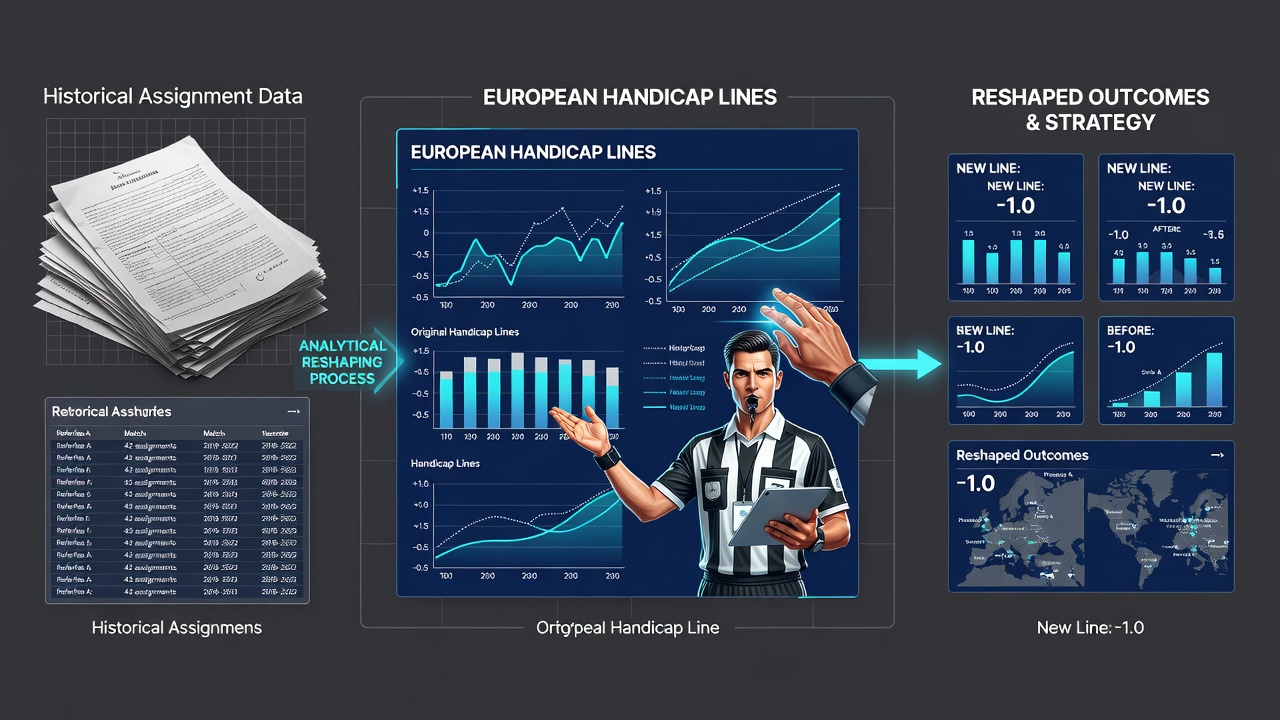
Assignment data also intersects with fixture congestion periods, where historical patterns indicate higher rotation of officials and corresponding line volatility. Those tracking these developments note that August 2026 schedules already display early signals of such adjustments, particularly in leagues resuming after international breaks. Bookmakers cross-reference these records against team performance metrics to refine European handicap offerings ahead of each round.
League-Specific Trends and Historical Correlations
In the Eredivisie and Primeira Liga, referee assignment histories reveal stronger correlations with handicap line stability compared to larger leagues, according to aggregated data from multiple seasons. Officials with extensive records in these competitions tend to follow predictable patterns that markets incorporate through targeted line tweaks. Researchers have observed that historical foul differentials per referee influence the placement of handicap values more than raw team form in several tracked cases.
Cross-league comparisons further illustrate how assignment data from UEFA competitions feeds back into domestic lines, creating ripple effects. A study published through the Swiss Federal Institute of Technology examined referee consistency across borders and found measurable impacts on European handicap pricing in affected matches. These findings align with broader trends where historical assignment clusters prompt preemptive market recalibrations.
Conclusion
Historical referee assignment data continues to inform adjustments in European handicap lines across major football leagues, with patterns documented through federation records and independent analyses. As the 2026 season progresses, ongoing tracking of these assignments provides updated inputs for market calibration, underscoring the role of officiating histories in shaping betting thresholds.