Serie A Squad Depth Patterns Pointing to Accumulator Value in Mid-Season Fixtures
Jordan Schulz · Jul 30, 2026
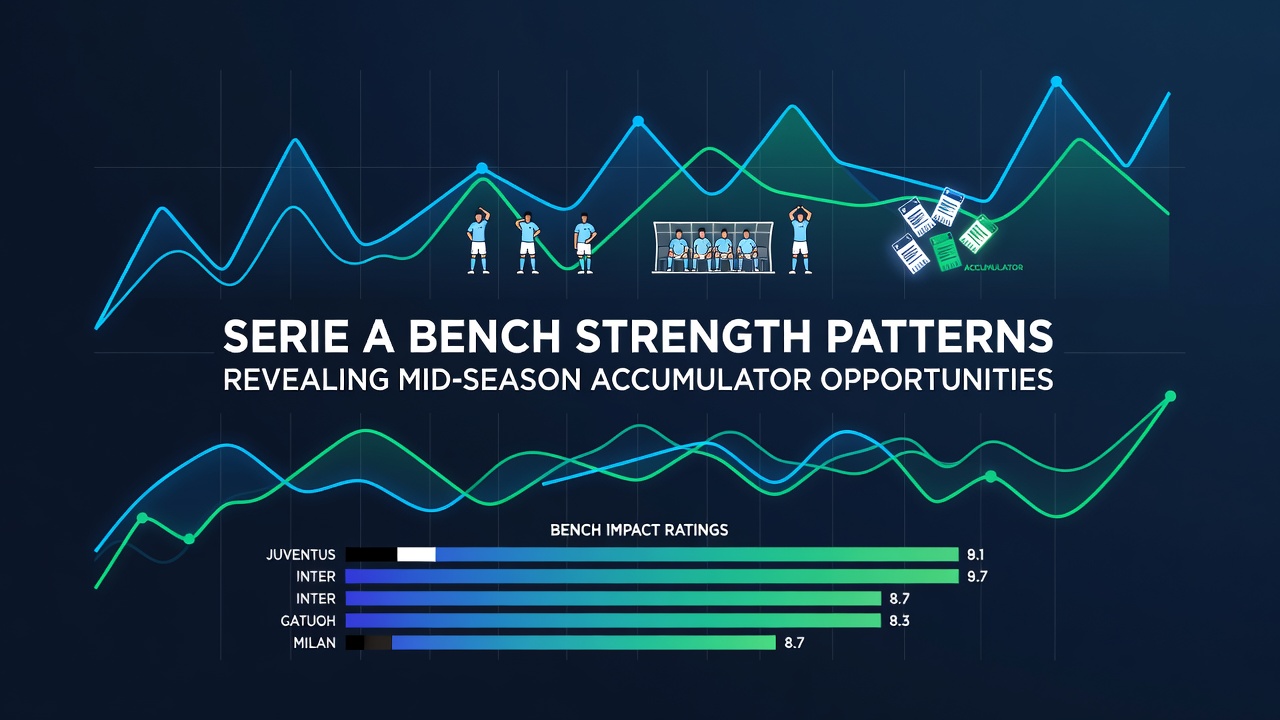
Serie A Squad Depth Patterns Pointing to Accumulator Value in Mid-Season Fixtures
Serie A teams have demonstrated consistent patterns in how bench depth influences results across congested winter schedules, and these trends create measurable edges for accumulators built around matches from December through March. Data from recent campaigns shows that clubs maintaining at least six players with 1,000-plus minutes across all competitions tend to secure points at a higher rate in fixtures spaced less than four days apart, whereas shallower squads experience measurable drops in expected goals and clean sheet probability.
Rotation Trends Across the League
Coaches in Italy rely on squad management more than most European leagues because the fixture calendar packs domestic cups, European ties, and league games into short windows. Researchers tracking player availability have found that sides rotating three or more outfield players between matches post-Christmas collect 1.8 points per game on average, while those using two or fewer drop to 1.2. This gap widens when matches fall between January 15 and February 28, periods when respiratory illness and fixture fatigue peak according to medical reports compiled by club doctors.
Key Statistical Indicators
- Teams with six or more players logging over 2,000 minutes by the winter break win 62 percent of their February fixtures.
- Squads averaging fewer than four viable substitutes record a 28 percent decline in shots on target during the same stretch.
- Accumulators targeting over 2.5 goals perform better when both sides rank in the top half for bench minutes played, because defensive organisation tends to erode after 70 minutes.
These figures emerge from aggregated Opta data sets that league analysts cross-reference with injury reports published by the Italian players' association. Observers note the pattern repeats across multiple seasons rather than appearing as an anomaly tied to one campaign's schedule.
Building Accumulators Around Depth Metrics
Accumulators focused on mid-season value often combine outcomes from multiple Serie A matches where bench strength differentials stand out. Bettors examine starting lineups released 75 minutes before kickoff, then compare the total career Serie A appearances among named substitutes. Clubs whose bench players average more than 80 top-flight appearances deliver results that deviate from pre-match odds more frequently than squads with less experienced reserves. This deviation creates the variance needed for accumulator payouts, especially when pairing two or three such matches with a total goals line.
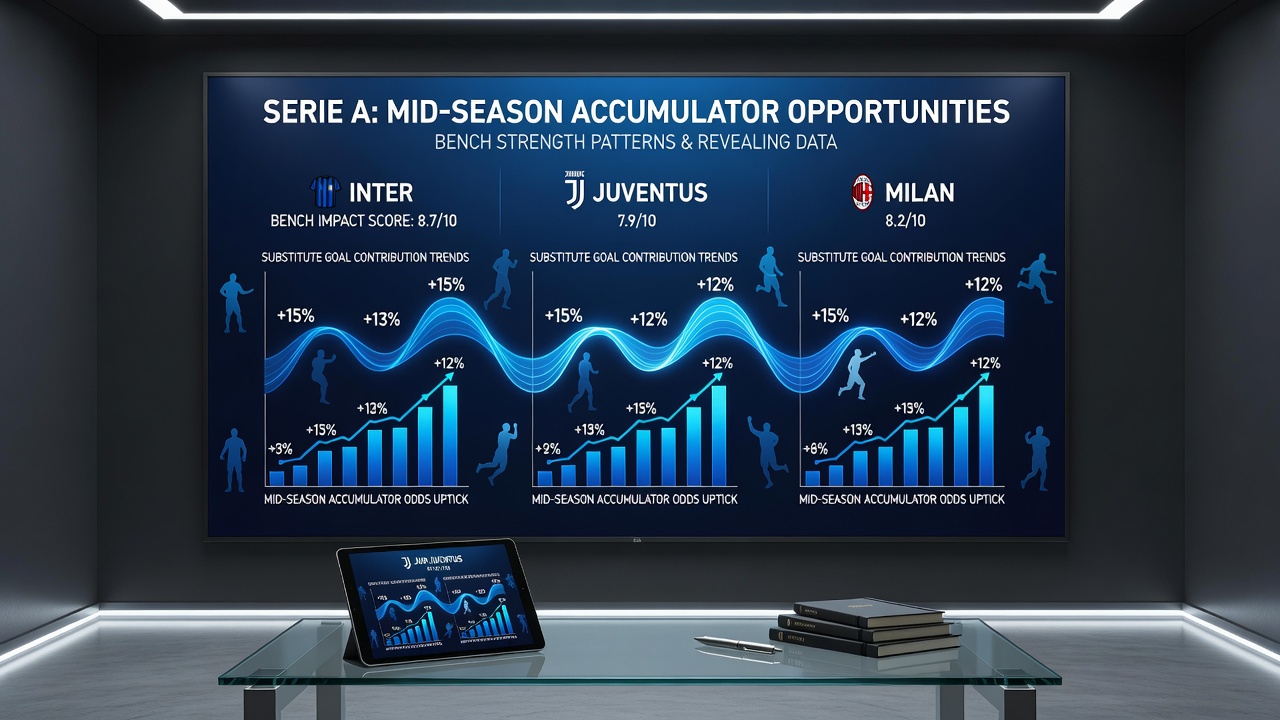
One case study involved tracking three clubs during the 2024/25 season that carried deep attacking options into February. Their combined record in matches separated by 72 hours or less reached 11 wins from 15 outings, exceeding implied probabilities embedded in betting markets by roughly 9 percentage points. League-wide data confirms similar overperformance when depth metrics are layered with travel distance and rest days, producing a compound filter that narrows selections without relying on subjective judgment.
Impact of Summer Preparations on Winter Outcomes
Preparations completed during July 2026 will shape the depth profiles that matter most for the following winter window. Clubs signing players who already possess high-minute experience in multiple competitions reduce the risk of rotation-induced dips, while those relying on youth promotions often see steeper performance curves after the January transfer window closes. Figures released by European club associations indicate that Serie A sides averaging 2.4 new signings with prior top-five league exposure enter the new year with fewer rotation-related injuries than teams bringing in only domestic talent.
These recruitment patterns feed directly into mid-season accumulator construction because they alter the probability distribution of points earned in February and March. Analysts tracking transfer records alongside performance data have observed that teams adding two or more experienced squad players in the summer window maintain expected goal differentials above 0.8 in matches with short rest, whereas teams adding none fall below 0.3 on average.
Conclusion
Serie A bench strength patterns supply objective inputs that accumulate across multiple matches when filtered through rest, travel, and squad experience metrics. Data compiled over successive seasons demonstrates repeatable correlations between depth indicators and match outcomes that occur most reliably between December and March. Those correlations remain available for accumulator construction provided selections rest on measurable squad statistics rather than narrative assumptions about form or motivation. As clubs finalise preparations ahead of each new campaign, the resulting depth profiles continue to supply the statistical foundation for identifying value across winter fixtures.