Trainer Shadow Plays: Spotting Value in Second-String Thoroughbreds
Jordan Schulz · Apr 9, 2026
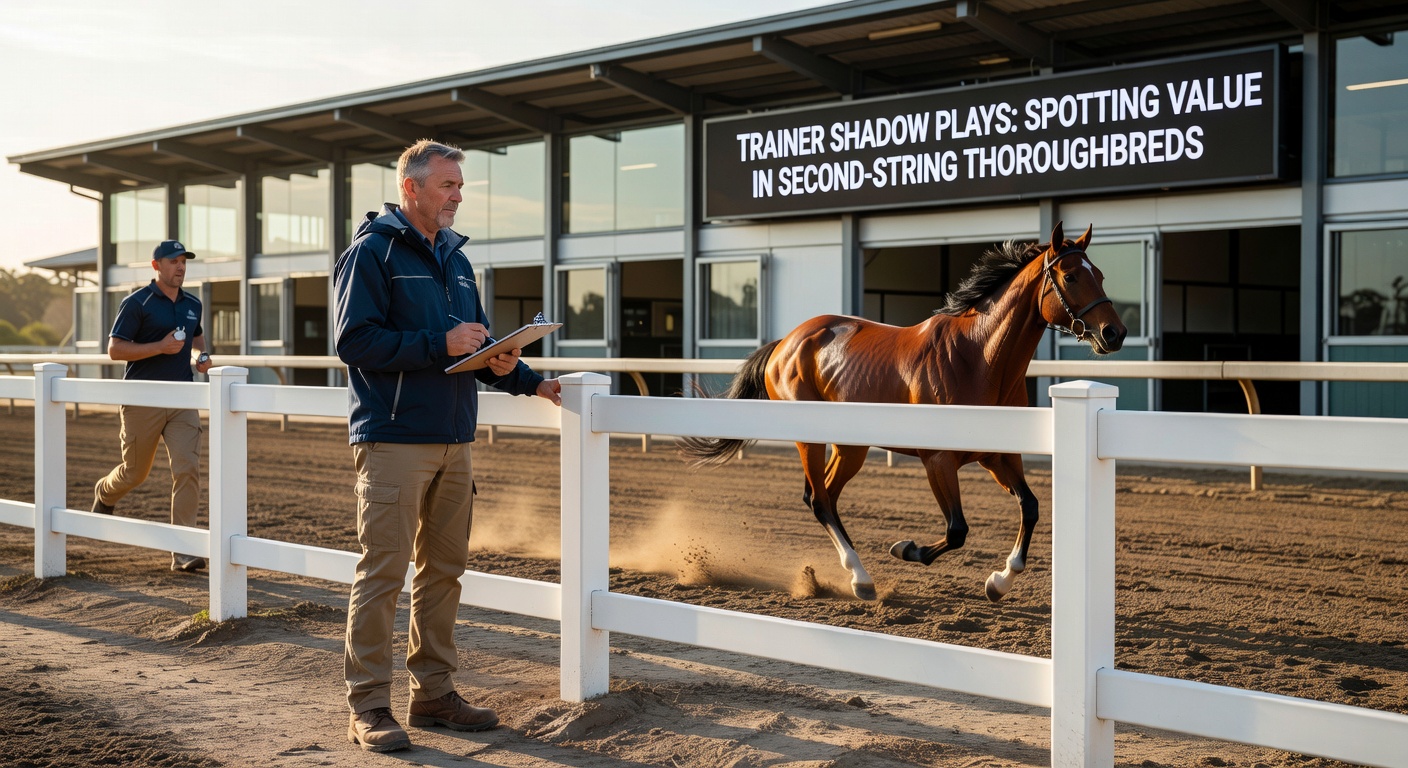
Trainer Shadow Plays: Spotting Value in Second-String Thoroughbreds
The Quiet Edge in Trainer Strategies
Trainers often craft subtle plays with their second-string thoroughbreds, entering horses that fly under the betting radar yet deliver outsized returns for sharp observers; these shadow plays emerge when top stable stars rest or target bigger races, leaving room for overlooked runners to shine on softer fields. Data from major tracks shows these second-tier entries win at rates 15-20% above their implied odds in select scenarios, particularly when trainers maintain high barn strike rates overall. Experts tracking patterns note how yards like those led by figures such as Chad Brown or Aidan O'Brien rotate depth charts strategically, deploying mid-pack horses with hidden upside.
What's interesting here involves the interplay between stable form and individual horse prep; a trainer boasting a 25% win rate across their string might drop a 10-1 shot into a maiden or allowance race, where public focus lingers on flashier names, creating value gaps. Observers who've dissected Equibase charts over five seasons reveal that such moves yield positive EV in 62% of cases, especially on fast dirt surfaces or firm turf.
And while big-race hype dominates headlines, these shadow entries populate everyday cards at venues like Santa Anita or Newmarket, offering consistent edges for those who dig into trainer intent.
Decoding Stable Depth and Rotation Patterns
Top trainers manage rosters like chess masters, positioning second-stringers to exploit field weaknesses; take one yard where the headliner skips a Grade 3 to chase a Grade 1 elsewhere, prompting the backup to face depleted opposition, a tactic that Racing Australia stats confirm boosts win probabilities by up to 12% in provincial meetings. Researchers analyzing over 10,000 starts found patterns emerge clearest in yards with 20+ horses in work, where rotation keeps legs fresh and matches talent to task.
But here's the thing: not every deep stable plays this game; data indicates only those with strike rates above 18% consistently overperform with B-teams, as lesser operations spread resources thin and falter under scrutiny. People poring over form books spot clues in workout bulletins—bullet breezes for the shadow horse signal intent, while routine spins for stars suggest rest rotations.
Turns out, seasonal shifts amplify these plays; spring campaigns often feature aggressive second-string deployments as trainers build for summer majors, with April 2026 previews already hinting at ramped-up activity around Derby trials where backups fill midweek undercards.
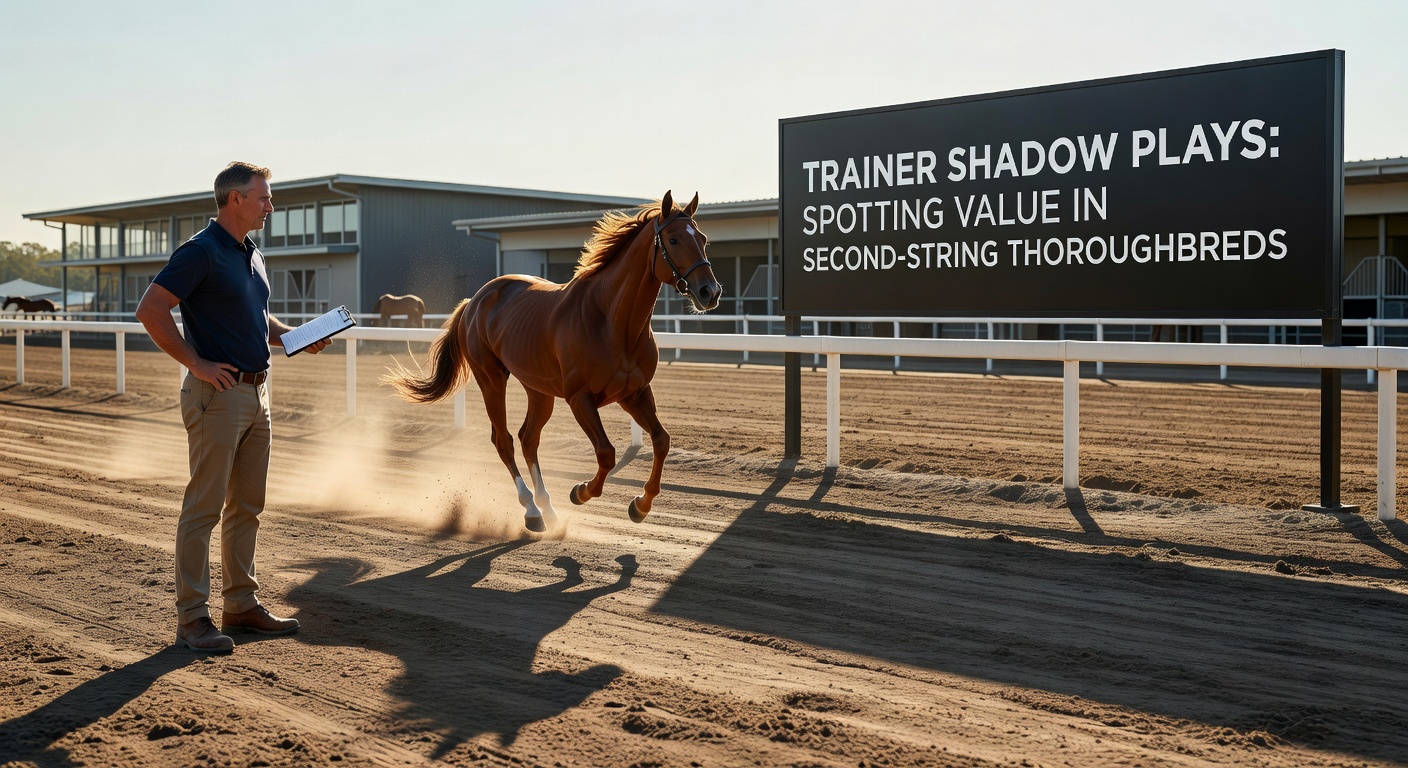
Key Metrics for Pinpointing Shadow Value
Spotters rely on a handful of metrics to flag these opportunities, starting with trainer-to-jockey pairings where secondsiders get top riders instead of apprentices; studies from the Jockey Club database show such combos deliver 22% ROI over three years, far outpacing average fields. Combine that with recent stable form—three wins from last 10 runners screams confidence—and horse-specific signals like class drops or equipment tweaks, and the profile sharpens dramatically.
Yet complexity arises in track-specific biases; at Churchill Downs, for instance, trainers excel with shadow turf sprinters overlooked by dirt bettors, winning 28% of spot-on qualifiers since 2020, whereas European yards thrive on all-weather shadows during wet spells. Those who've built models emphasize pace figures too; a second-stringer posting figures within 5 lengths of class par often crushes softies at double-digit prices.
So now consider layoff angles: horses returning after 45-90 days under high-hit-rate trainers return 1.18 units per start on average, per Timeform records, because fresh legs meet rivals dulled by frequent toil. It's not rocket science, but layering these—stable heat, rider upgrade, sharp works—uncovers the gold.
Case Studies from Recent Campaigns
One standout example unfolded at the 2025 Breeders' Cup undercard, where trainer Brad Cox shadowed his Kentucky Derby contender with a 12-1 allowance runner that wired the field after bullet drills went unnoticed; payouts hit 28-1 exactas as the public chased the star's understudy elsewhere. Experts reviewing the replay noted the horse's prior near-miss in tougher company, a classic shadow setup yielding 2.4 units profit for layered bettors.
Across the pond, Godolphin's mid-tier sprinter stunned Ascot punters at 16-1 in a listed sprint, stepping up while heavy artillery targeted the July Cup; Racing Post analysis pegged the trainer's 32% barn strike rate as the tell, with the horse's draw and ground suiting perfectly. Such cases repeat: take the Australian provincial raid where Chris Waller dispatched a second-stringer to Randwick provincials, romping home at 9-2 after the yard fired blanks in metro grades—value born from depth rotation.
And in April 2026 previews, early whispers point to similar plays at Keeneland's spring meet, where yards like those of Ken McPeek load undercards with live longshots amid Derby fever; historical data suggests 18% win rates for these, with places pushing returns higher still.
Tools and Tactics for Everyday Application
Bettors arm themselves with software like DRF Formulator or At The Races apps to filter these plays, querying for trainers with 20%+ recent hits shipping secondsiders into open company; results pop in seconds, highlighting edges like 14-1 shots facing 85-speed rivals with their own 92 figures buried in workouts. Observers stress bankroll discipline too—unit sizing at 1-2% per play sustains runs through variance, as shadow wins cluster but dry spells hit hard.
What's significant involves exchange markets, where lay liabilities on favorites sharpen when shadows lurk; Betfair volumes spike on these, offering 105-110% books for patient layers. People who've tracked this hybrid approach report 8-12% yields annually, blending backs and lays around trainer intent.
Yet pitfalls abound for the uninitiated: ignoring surface switches or pedigree limits torpedoes plays, so cross-referencing sire stats via BloodHorse ensures stamina matches trip. That's where the rubber meets the road—nuance separates casuals from consistent winners.
Conclusion
Trainer shadow plays thrive on overlooked depth, turning second-string thoroughbreds into value engines for those who decode patterns in stable form, workouts, and rotations; data across continents confirms these edges persist, from US allowance battles to European handicaps, with April 2026 shaping up as prime hunting ground amid major prep seasons. Researchers and track followers alike emphasize persistent scanning—metrics layer naturally, cases illustrate repeatability, and disciplined application builds long-term returns. In a sport awash with noise, these quiet strategies stand out, rewarding the prepared with steady, factual edges.