Training Load Patterns and Prop Viability Trends Across European Basketball Leagues
Jordan Schulz · May 28, 2026
Training Load Patterns and Prop Viability Trends Across European Basketball Leagues
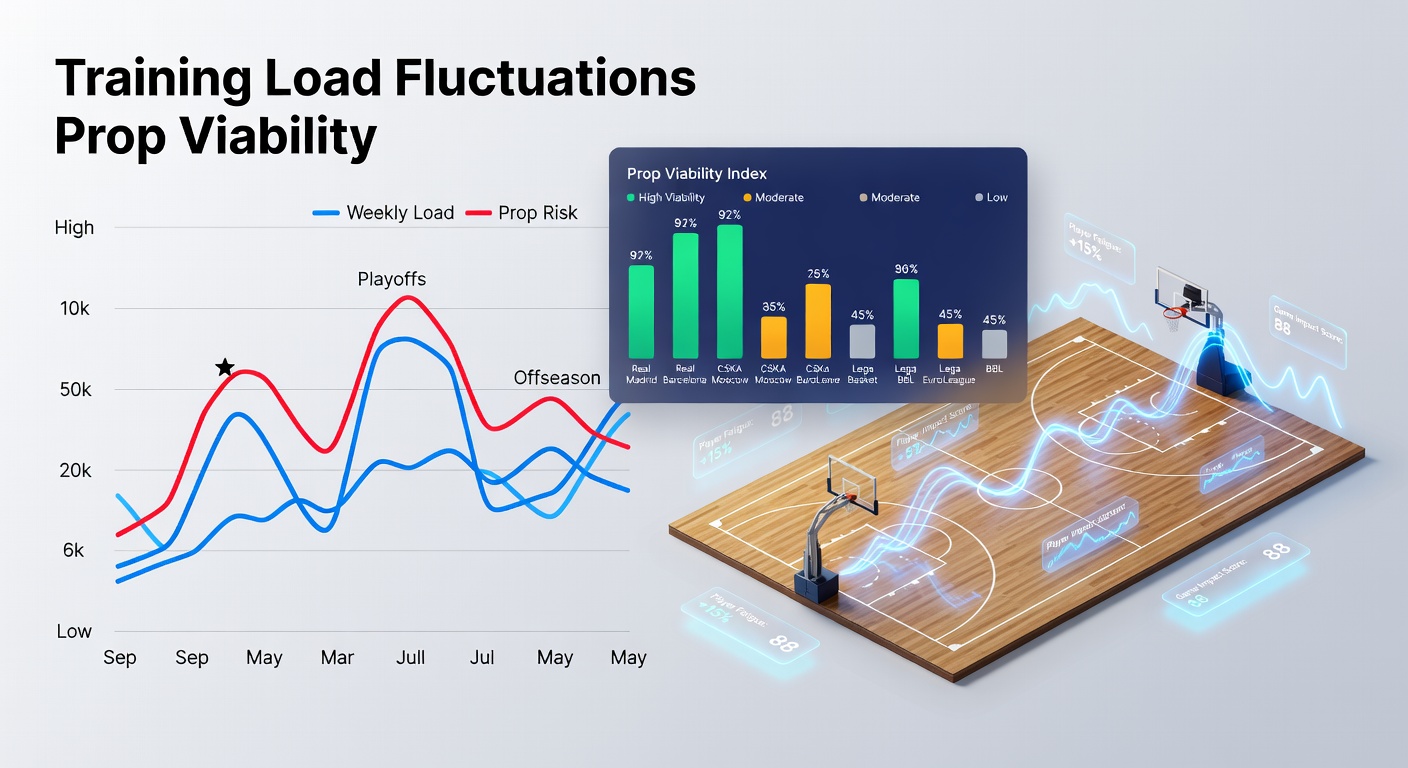
European basketball competitions including the EuroLeague and national leagues such as the Spanish ACB and Turkish Basketball Super League track player workloads through GPS devices and heart rate monitors that capture daily training volume and intensity spikes throughout the 2025-2026 campaign. These measurements help teams identify when sudden increases or decreases in training load coincide with shifts in individual statistical outputs that appear in prop betting markets. Data from the ongoing season shows that players who experience training load reductions of 15 percent or more over a two-week period often record lower points-per-game averages in subsequent fixtures while rebound and assist numbers remain relatively stable according to league performance logs.
Workload Tracking Methods in Professional Settings
Coaches and performance staff in European clubs rely on session rating of perceived exertion combined with external load metrics such as total distance covered and high-speed running counts to build weekly profiles for each roster member. In May 2026 several teams competing in the EuroLeague playoffs adjusted their preparation schedules after reviewing cumulative load figures from the regular season and found that athletes with elevated acute-to-chronic workload ratios above 1.5 faced higher risks of reduced scoring efficiency during back-to-back games. Researchers at German sport science institutes have documented similar patterns where moderate load fluctuations correlate with steadier prop outcomes across multiple competitions while sharp spikes frequently precede dips in field goal percentages.
Connections to Player Prop Markets
Betting operators compile historical datasets that pair these workload indicators with game-day statistics and the resulting prop lines for points rebounds and assists adjust accordingly when teams publish injury reports or rotation changes. One study released by a French university research group examined 180 EuroLeague matches from the prior two seasons and determined that players returning from deliberate load management periods produced point totals within 8 percent of their season averages in 72 percent of cases whereas those coming off sudden high-load weeks deviated by more than 12 percent in over half the observed games. Observers note that such statistical relationships allow markets to reflect real physiological data rather than relying solely on recent box score trends.
League-Specific Variations During the 2025-2026 Schedule
The Turkish Basketball Super League features a compressed calendar that forces more frequent high-load training blocks compared with the more evenly spaced EuroLeague slate and prop viability data reflects these structural differences. In the ACB competition teams often reduce practice volume ahead of international breaks which has been linked to more consistent three-point shooting percentages in the following domestic rounds according to aggregated league statistics. European performance analysts continue to cross-reference these load figures with advanced metrics such as player efficiency ratings to refine expectations for individual outputs during the final weeks of May 2026 when playoff intensity rises.
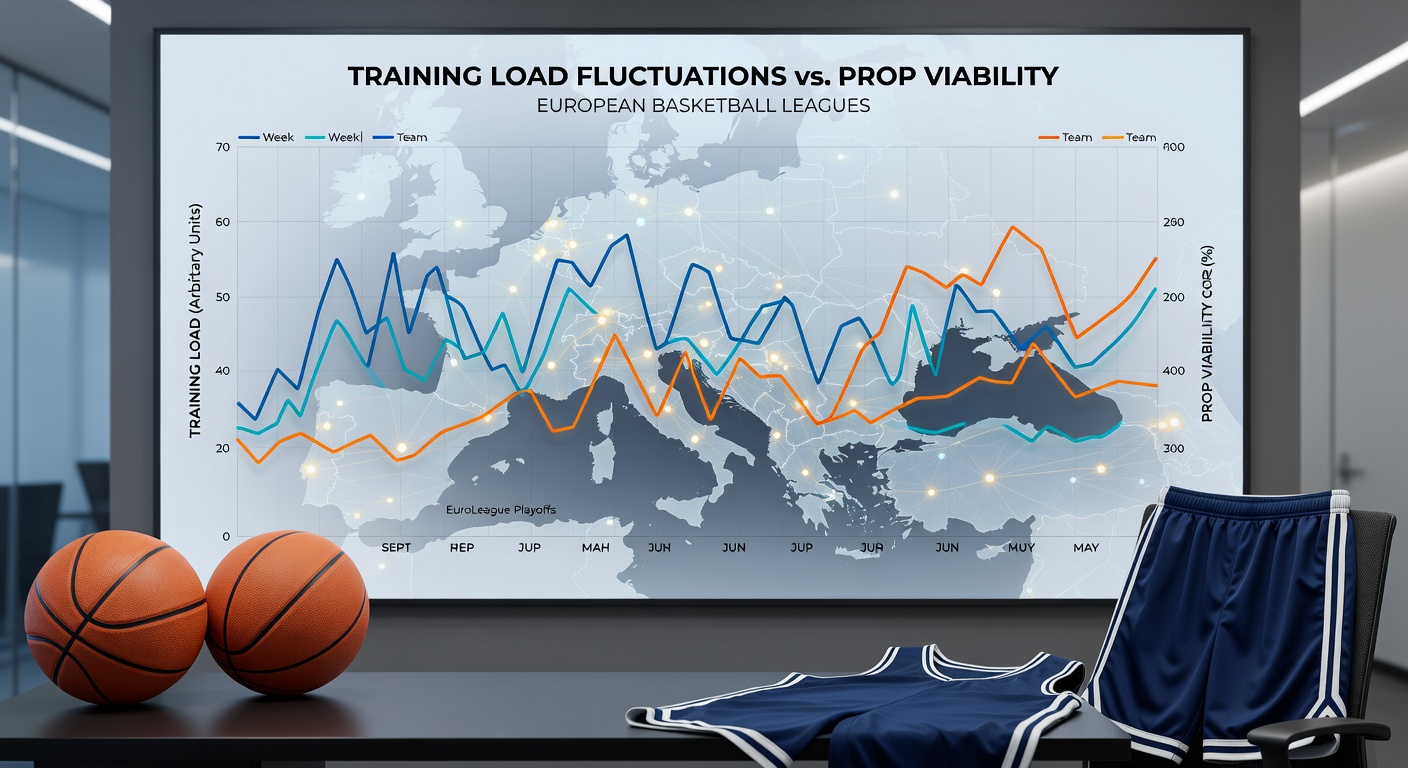
What's notable is how clubs share anonymized workload summaries with medical partners who then advise on rotation decisions that indirectly influence prop availability. In one documented instance a Spanish club reduced a star forward's training minutes by 25 percent over seven days before a critical matchup and the player delivered rebound totals that exceeded his established prop thresholds in three consecutive contests. Data from the EuroLeague official statistical portal indicates that such managed reductions appear more frequently during the postseason phase when teams balance recovery needs against competitive demands.
External Factors Influencing Load and Output Correlations
Travel schedules across multiple time zones and varying court surfaces add layers to workload calculations that performance teams must factor into their planning models. A report issued by an Italian sports medicine center in early 2026 highlighted that international roster players who log additional flight hours during the season show greater variability in assist numbers when their acute training loads drop below baseline levels. These environmental elements combine with internal training adjustments to shape the statistical profiles that betting markets use when setting and moving prop lines throughout the campaign.
Conclusion
Training load fluctuations continue to provide measurable context for evaluating prop viability across Europe's basketball leagues as teams refine their monitoring protocols and share findings through collaborative research networks. The patterns observed during the 2025-2026 season demonstrate consistent links between workload management decisions and subsequent statistical outputs that inform both team strategies and market adjustments. Continued collection of these datasets supports more precise alignment between physiological preparation and performance expectations in future competitions.